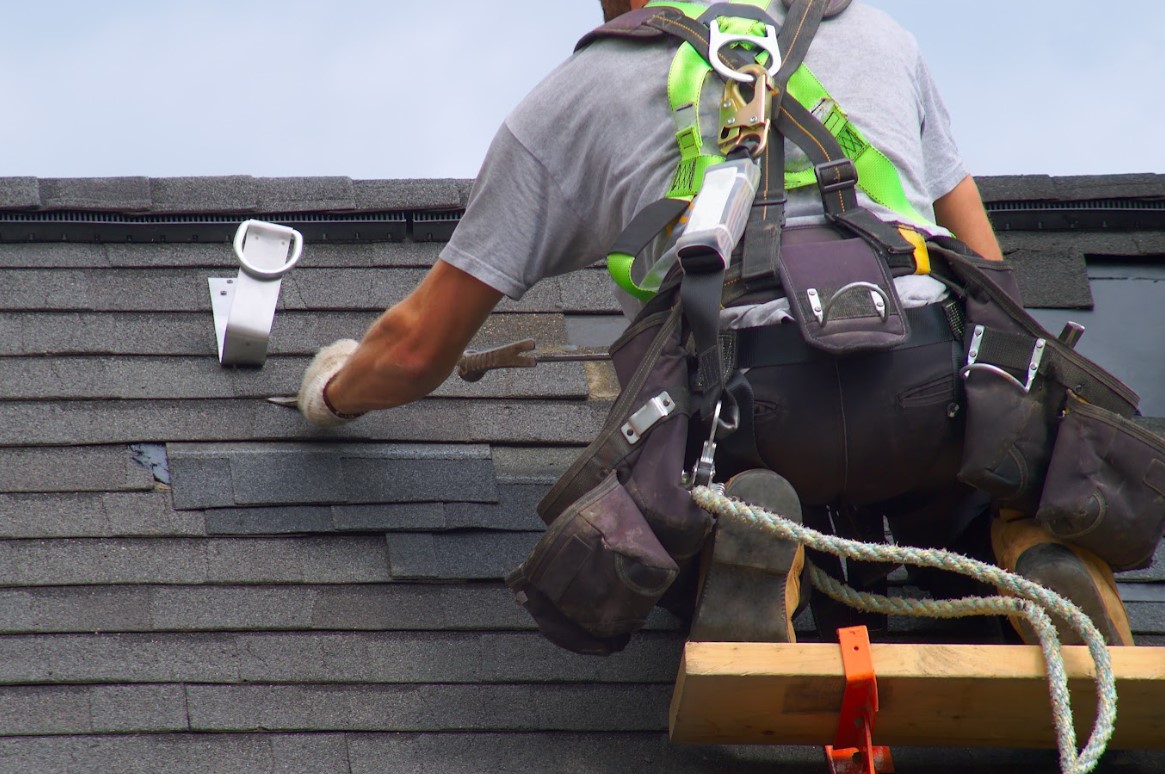
Spring in Cocoa Beach is when many homeowners finally take a step back and look at their roof after months of wind, rain, and sun. You may not notice a problem right away, but small issues often build up quietly over time.
That is why following a spring roof inspection checklist is so important. It helps you spot damage early, avoid costly roof repairs, and prepare your home before storm season begins.
At My Florida Roofing Contractor, we help homeowners across Brevard County stay ahead of roofing issues with a clear, reliable process. This guide walks you through what to check on your roof after winter and how to know when it is time to call a professional.


Key Takeaways
- A spring inspection helps catch damage early before summer storms make it worse
- Most issues can be spotted from the ground, reducing safety risks
- Professional inspections provide a full picture of your roof’s condition
How a Spring Roof Inspection Checklist Helps Cocoa Beach Homes Stay Protected
A spring roof inspection checklist is simply a step-by-step way to check your roof for damage after winter and before hurricane season. Florida roofs deal with year-round stress. Even without snow, your roof still faces strong winds, heavy rain, salt air, and intense sun exposure. Over time, these conditions wear down materials and create weak points. Spring is the ideal time to inspect your roof because it sits between seasons. Winter wear has already occurred, and storm season has not fully arrived. That gives you a window to make repairs before conditions worsen. A proper inspection looks at more than just shingles. It includes:- Roof shape and structure
- Surface materials and wear
- Flashing and sealants
- Gutters and drainage
- Attic conditions
What to Check Before Using a Spring Roof Inspection Checklist
Before you begin, it is important to understand how to approach your inspection safely and effectively.Safety First
Are you staying off the roof? Most inspections can be done from the ground using binoculars. Avoid climbing unless you have proper training and equipment.Timing
Are you checking your roof after intense weather? Inspect your roof after storms or heavy rain to catch new damage early.Visibility
Can you clearly see key areas? Walk around your home and check all sides. Pay attention to roof edges, valleys, and areas near trees.Tools
Do you have what you need? Basic tools include binoculars, a flashlight for attic checks, and a notepad to track concerns.Documentation
Are you keeping records? Taking photos helps track changes over time and supports insurance claims if needed.Professional Support
Do you have a contractor you trust? A licensed roofing contractor can confirm your findings and safely inspect areas you cannot reach. Consider professional help: A trained contractor can identify hidden damage and ensure your roof is ready for storm season.Step-by-Step Spring Roof Inspection Checklist for Homeowners
1. Check the Roofline and Structure
Start by looking at the overall shape of your roof. Look for:- Sagging areas
- Uneven lines
- Visible dips or warping
2. Inspect Roofing Materials for Damage
Next, examine the surface materials. Watch for:- Missing or loose shingles
- Cracks or curling
- Metal panel damage or lifting

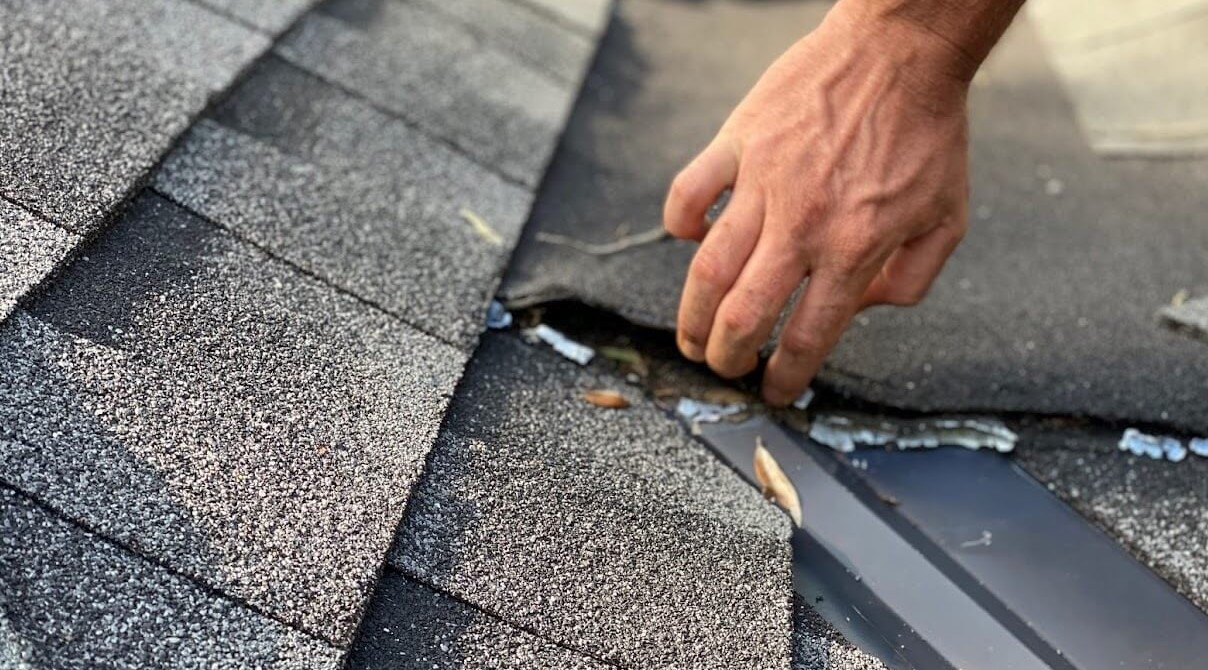
3. Examine Flashing and Seals
Flashing protects areas around vents, chimneys, and roof edges. Check for:- Rust or corrosion
- Cracks or gaps
- Loose or separated sections

4. Clean and Inspect Gutters
Gutters play a major role in water management. Look for:- Blockages or debris
- Sagging sections
- Poor drainage
5. Check the Attic for Warning Signs
Your attic can reveal hidden problems. Watch for:- Water stains or damp areas
- Mold or musty smells
- Light coming through the roof
6. Look for Mold, Algae, or Debris
Florida’s climate encourages organic growth. Check for:- Dark streaks (algae)
- Moss or mold
- Debris buildup
7. Evaluate Overall Installation Condition
If your roof is newer, consider how it was installed. Poor installation can lead to:- Uneven materials
- Improper fastening
- Early wear and tear
Your Spring Roof Inspection Checklist Made Simple
A good inspection does not need to be complicated. Focus on the steps that make the biggest difference.- Check the roofline: Look for sagging or uneven areas
- Inspect materials: Watch for missing or damaged shingles
- Examine flashing: Confirm seals are intact
- Clean gutters: Keep water flowing properly
- Check the attic: Look for moisture or light
- Watch for growth: Remove algae and debris early