
Spring Roof Inspection in Cocoa Beach: What Every Homeowner Should Check
March 9, 2026
•
Written By
My Florida Roofing Contractor
Spring Roof Inspection Checklist for Cocoa Beach Homes
Spring in Cocoa Beach is when many homeowners finally take a step back and look at their roof after months of wind, rain, and sun. You may not notice a problem right away, but small issues often build up quietly over time.
That is why following a spring roof inspection checklist is so important. It helps you spot damage early, avoid costly roof repairs, and prepare your home before storm season begins.
At My Florida Roofing Contractor, we help homeowners across Brevard County stay ahead of roofing issues with a clear, reliable process. This guide walks you through what to check on your roof after winter and how to know when it is time to call a professional.
Key Takeaways
- A spring inspection helps catch damage early before summer storms make it worse
- Most issues can be spotted from the ground, reducing safety risks
- Professional inspections provide a full picture of your roof’s condition
If you want peace of mind heading into storm season, our local team is here to help you get started.
How a Spring Roof Inspection Checklist Helps Cocoa Beach Homes Stay Protected
A spring roof inspection checklist is simply a step-by-step way to check your roof for damage after winter and before hurricane season.
Florida roofs deal with year-round stress. Even without snow, your roof still faces strong winds, heavy rain, salt air, and intense sun exposure. Over time, these conditions wear down materials and create weak points.
Spring is the ideal time to inspect your roof because it sits between seasons. Winter wear has already occurred, and storm season has not fully arrived. That gives you a window to make repairs before conditions worsen.
A proper inspection looks at more than just shingles. It includes:
- Roof shape and structure
- Surface materials and wear
- Flashing and sealants
- Gutters and drainage
- Attic conditions
The goal is simple: identify small problems before they turn into major damage.
What to Check Before Using a Spring Roof Inspection Checklist
Before you begin, it is important to understand how to approach your inspection safely and effectively.
Safety First
Are you staying off the roof?
Most inspections can be done from the ground using binoculars. Avoid climbing unless you have proper training and equipment.
Timing
Are you checking your roof after intense weather?
Inspect your roof after storms or heavy rain to catch new damage early.
Visibility
Can you clearly see key areas?
Walk around your home and check all sides. Pay attention to roof edges, valleys, and areas near trees.
Tools
Do you have what you need?
Basic tools include binoculars, a flashlight for attic checks, and a notepad to track concerns.
Documentation
Are you keeping records?
Taking photos helps track changes over time and supports insurance claims if needed.
Professional Support
Do you have a contractor you trust?
A licensed roofing contractor can confirm your findings and safely inspect areas you cannot reach.
Consider professional help: A trained contractor can identify hidden damage and ensure your roof is ready for storm season.
Step-by-Step Spring Roof Inspection Checklist for Homeowners
1. Check the Roofline and Structure
Start by looking at the overall shape of your roof.
Look for:
- Sagging areas
- Uneven lines
- Visible dips or warping
These may indicate structural concerns that need attention.
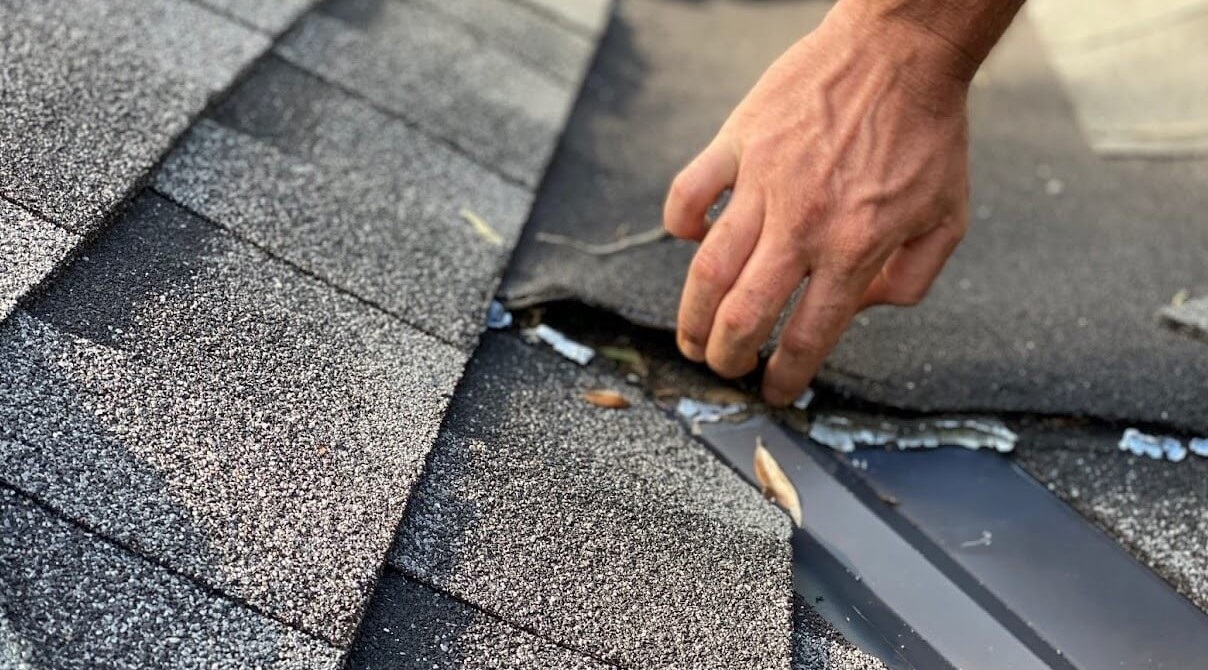
2. Inspect Roofing Materials for Damage
Next, examine the surface materials.
Watch for:
- Missing or loose shingles
- Cracks or curling
- Metal panel damage or lifting
Even minor damage can lead to leaks during heavy rain.
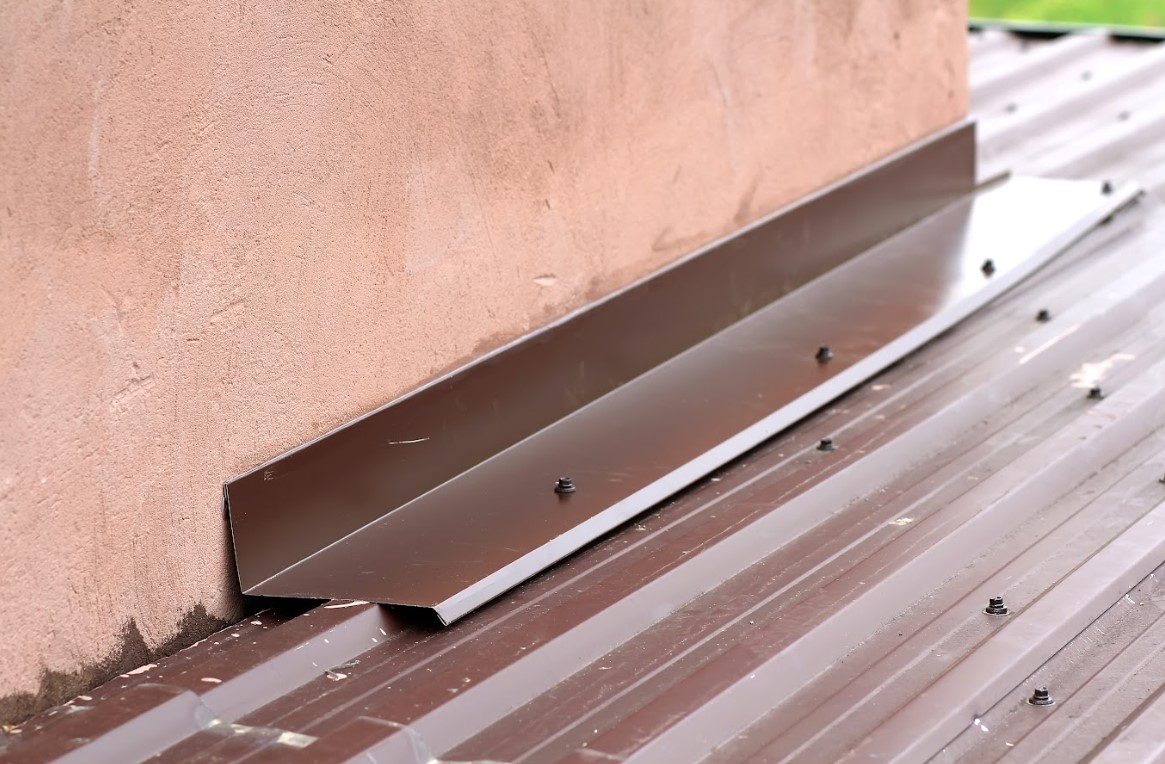
3. Examine Flashing and Seals
Flashing protects areas around vents, chimneys, and roof edges.
Check for:
- Rust or corrosion
- Cracks or gaps
- Loose or separated sections
Damaged flashing is a common cause of leaks.
4. Clean and Inspect Gutters
Gutters play a major role in water management.
Look for:
- Blockages or debris
- Sagging sections
- Poor drainage
Blocked gutters can push water under your roofing system.
5. Check the Attic for Warning Signs
Your attic can reveal hidden problems.
Watch for:
- Water stains or damp areas
- Mold or musty smells
- Light coming through the roof
These signs often point to leaks or ventilation issues.
6. Look for Mold, Algae, or Debris
Florida’s climate encourages organic growth.
Check for:
- Dark streaks (algae)
- Moss or mold
- Debris buildup
These can trap moisture and damage roofing materials over time.
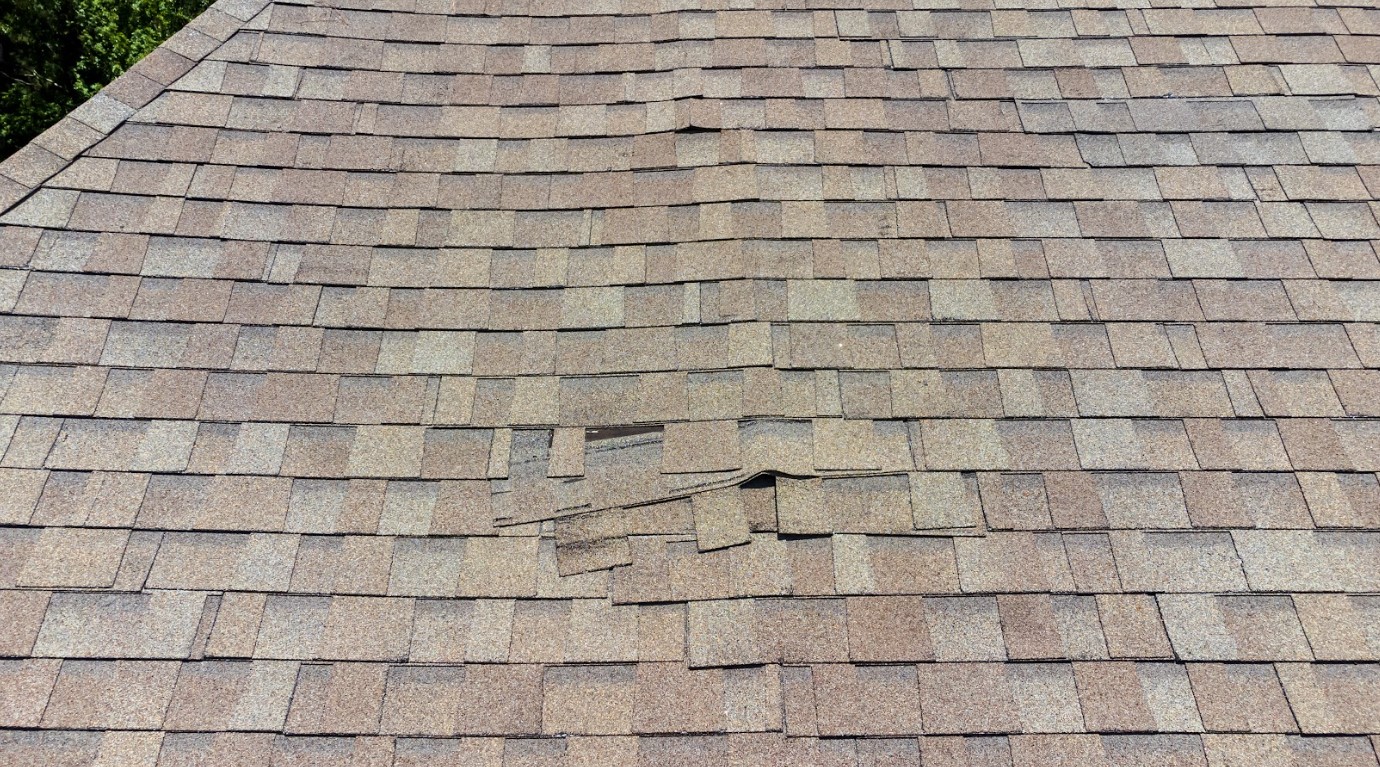
7. Evaluate Overall Installation Condition
If your roof is newer, consider how it was installed.
Poor installation can lead to:
- Uneven materials
- Improper fastening
- Early wear and tear
If something looks off, it is worth having a professional review it.
Your Spring Roof Inspection Checklist Made Simple
A good inspection does not need to be complicated. Focus on the steps that make the biggest difference.
- Check the roofline: Look for sagging or uneven areas
- Inspect materials: Watch for missing or damaged shingles
- Examine flashing: Confirm seals are intact
- Clean gutters: Keep water flowing properly
- Check the attic: Look for moisture or light
- Watch for growth: Remove algae and debris early
With a consistent routine, you can protect your home and avoid costly repairs. If you want a professional evaluation, our team is ready to help.
Spring Roof Inspection Checklist FAQ
What is included in a spring roof inspection checklist?
A spring roof inspection checklist includes checking the roof structure, materials, flashing, gutters, and attic to identify damage after winter.
What should I check on my roof after winter in Florida?
When checking your roof after winter, look for missing shingles, damaged flashing, clogged gutters, and signs of leaks in the attic.
What are the signs your roof needs inspection this spring?
Signs your roof needs inspection this spring include visible damage, water stains, mold, sagging areas, and higher energy bills.
How often should I follow a spring roof inspection checklist?
You should follow a spring roof inspection checklist once a year, along with additional checks after major storms.
Can I complete a spring roof inspection checklist myself?
You can handle basic checks from the ground, but a professional inspection is recommended for a full assessment.
Why is a spring roof inspection important for Florida homeowners?
A spring roof inspection helps identify damage early and prepares your home for hurricane season, reducing the risk of major repairs.
Get Your Roof Ready Before Storm Season Begins
Spring is your window to catch problems before they grow. A simple spring roof inspection checklist can help you protect your home, avoid costly repairs, and move into storm season with confidence.
At My Florida Roofing Contractor, we bring decades of experience, trusted certifications, and a strong local presence to every project. Our team provides honest assessments, clear communication, and quality workmanship you can rely on.
If you want a professional inspection or need help addressing concerns, schedule your free estimate today. Let our local experts help you protect your home the right way.
Recent Articles

Residential Roofing
Same-As-Cash Roofing Deals in Brevard County: How to Save Big This Spring
Learn how same-as-cash roofing financing works in Brevard County. Explore zero-interest options, flexible plans, and how to afford your roof this spring.
March 26, 2026

Residential Roofing
Roof Maintenance Plan for Florida Seniors: Ensuring a Safe and Secure Home
As a Florida senior, maintaining your roof is crucial for a safe and secure home. Our comprehensive roof maintenance plan ensures your property is protected year-round.
March 24, 2026
Commercial Roofing
Flat Roofing in Titusville: Is TPO Still the Best Choice for Businesses
Explore TPO roofing pros and cons for Titusville businesses. Learn how it compares to other flat roofing systems and if it’s the right choice.
March 20, 2026

Residential Roofing
The Best Roof Type for Storms in Florida: Protecting Your Home
Discover the best roof type for storms in Florida. Compare metal, tile, and shingles to find the right option for wind, rain, and long-term protection.
March 17, 2026