
Moss vs. Mold on Roofs in Florida: Identifying and Addressing the Issue
February 1, 2026
•
Written By
My Florida Roofing Contractor
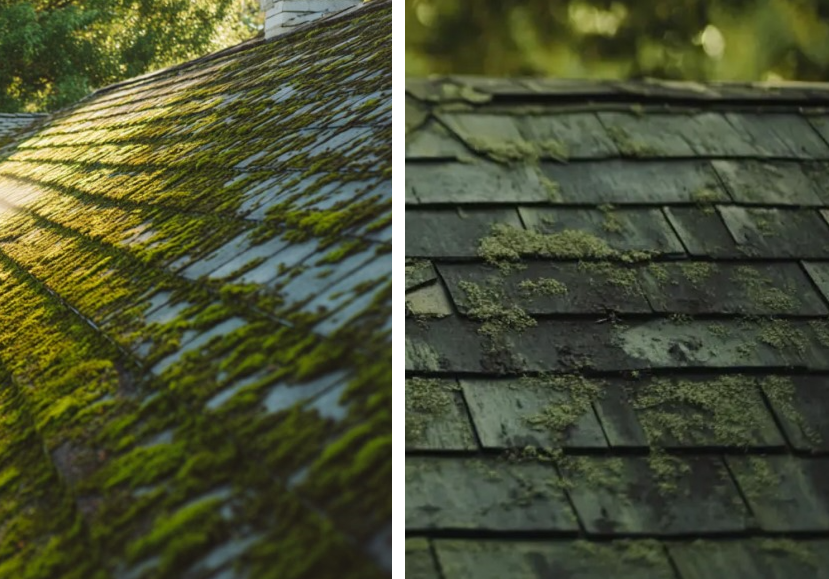
Florida’s humidity makes it easy for green and black growth to take hold on your roof. If you’ve noticed dark streaks or fuzzy patches, you’re probably wondering about moss vs mold on roofs, which Florida homes commonly experience.
They may look similar from the ground, but they behave very differently. Knowing which one you’re dealing with helps you protect your home the right way.
At My Florida Roofing Contractor, we help homeowners across Vero Beach and Brevard County identify roof growth early, before it leads to leaks or structural damage.
Key Takeaways
- Moss and mold are different organisms and require different solutions.
- Florida’s humidity creates ideal conditions for roof growth.
- Early evaluation helps protect your shingles, attic, and warranty coverage.
If you’re unsure what’s growing on your roof, a free estimate gives you clarity without pressure.
Moss vs Mold on Roofs, Florida Homes: What’s the Real Difference?
Understanding moss vs mold on roofs that Florida homeowners deal with starts with identification.
What Is Moss?
Moss is a small, green plant. It appears thick, fuzzy, and clumped together. You’ll often see it growing in shaded roof valleys or areas where water lingers.
Moss roots attach to shingles and can lift them over time. That lifting creates pathways for water intrusion.
In Florida, moss is less common than algae but can still appear in heavily shaded, moisture-prone areas.
What Is Mold?
Mold is a fungus. It usually shows up as dark black or green patches with a slimy or blotchy appearance.
Unlike moss, mold thrives in damp environments and can spread quickly. It often indicates poor ventilation or persistent moisture.
If mold develops in the attic, it may affect indoor air quality. That’s why identifying it early matters.
Florida’s combination of humidity, afternoon storms, and salt air accelerates both moss and mold growth. Left untreated, either can shorten your roof’s lifespan.
Important Considerations Before Addressing Moss vs Mold on Roofs in Florida Properties
Before taking action, it helps to think through a few factors.
Roof Age
Is your roof nearing the end of its lifespan? Older shingles absorb moisture more easily and are more vulnerable to growth.
Shingle Type
Asphalt shingles with limestone filler are particularly attractive to algae and mold. Tile roofs may trap moisture in valleys.
Tree Coverage
Overhanging branches create shade and drop debris. Shade slows drying time and increases growth risk.
Ventilation
Poor attic ventilation allows moisture buildup. That environment encourages mold.
Cleaning Method
High-pressure washing can damage shingles and void warranties. Gentle soft washing is the recommended approach.
You don’t have to diagnose everything yourself. A professional evaluation provides clear guidance so you can decide confidently.
How to Address Moss vs Mold on Roofs in Florida Homes Safely
Step 1: Proper Identification
The first step is confirming whether you’re dealing with moss, mold, or algae. Each requires a different approach.
- Moss appears thick and plant-like.
- Mold looks patchy and spreads irregularly.
- Algae usually form streaks.
Misidentifying growth can lead to improper treatment.

Step 2: Gentle Cleaning
For minor surface growth, soft washing with approved cleaning solutions removes buildup without damaging shingles.
Pressure washing should be avoided. It strips protective granules and reduces roof lifespan.
Step 3: Improve Ventilation & Drainage
If mold is present, improving attic airflow is essential. Proper ventilation reduces trapped moisture.
Cleaning gutters and trimming trees also helps your roof dry faster after rain.
Step 4: Long-Term Prevention
Consider:
- Algae-resistant shingles during replacement
- Zinc or copper strips to inhibit growth
- Routine maintenance checks
With two decades of roofing excellence, we’ve seen how simple preventative steps protect Florida homes long-term.
Why Moss vs Mold on Roofs on Florida Homes Shouldn’t Be Ignored
Moisture Retention Weakens Shingles
Both moss and mold trap moisture. That moisture accelerates granule loss and asphalt breakdown.
Lifted Shingles Lead to Leaks
Moss can lift shingle edges. Wind-driven rain then penetrates underneath.
Mold Can Affect Indoor Air Quality
If mold spreads into the attic, it may impact insulation and air circulation.
Warranty Concerns
Some manufacturer warranties require proper maintenance. Ignoring organic growth may void coverage.
Florida’s climate doesn’t give roofing materials much recovery time. Acting early protects your home’s structure and value.
What Florida Homeowners Should Do Today
If you’re noticing discoloration or growth:
- Inspect your roof from the ground
- Check your attic for musty smells or stains
- Clear gutters and remove debris
- Schedule a professional evaluation
A free estimate provides peace of mind and helps you understand whether cleaning, roof repair, or roof replacement is necessary.
Moss vs Mold on Roofs in Florida FAQs
Is moss or mold on roofs in Florida dangerous?
Moss and mold on roofs in Florida can both damage shingles. Mold may also affect attic air quality.
Can I clean moss and mold on my roof in Florida myself?
Mild surface growth can sometimes be treated gently, but improper cleaning can damage shingles. Professional soft washing is safest.
How often should I check for moss or mold on my roof in Florida?
You should check at least once a year, especially after heavy rain seasons.
Does moss or mold on Florida roofs require roof replacement?
Not always. Early detection may only require cleaning or minor repair.
Protect Your Home with Confidence
Florida’s humidity makes organic roof growth common, but that doesn’t mean it should be ignored. Understanding moss vs mold on roofs in Florida homes helps you take the right action early.
At My Florida Roofing Contractor, we combine technical expertise with neighborly care. We are licensed, insured, and certified, and we stand behind our work with a 5-year workmanship warranty.
If you’re seeing green patches or dark streaks, don’t guess.
Schedule your free estimate today and let us help you protect what matters most.
Recent Articles
Residential Roofing
Yeehaw Junction Roof Repairs: Rural Homeowner’s Guide to Affordable Roofing Solutions
Roof repairs in Vero Beach made simple. Learn how to spot roof damage, decide if your roof needs to be fixed, and explore affordable roofing solutions backed by trusted local experts.
February 26, 2026
Commercial Roofing
Satellite Beach Roof Coatings: Affordable Protection for Coastal Homes
Discover what a roof coating is, how it protects coastal homes in Satellite Beach, and whether roof coatings are a good, affordable alternative to replacement.
February 23, 2026

Residential Roofing
Is There a Class 4 Shingles Discount for Florida Homeowners Insurance
Florida homeowners can save on insurance with Class 4 impact-resistant shingles. These durable roofs provide protection against hail and severe storms, potentially lowering your premiums.
February 18, 2026
Residential Roofing
Deferred Payment Roofing Plans: Upgrade Your Roof Now, Pay Later
Explore roofing payment plan options, including deferred payment plans, and learn how Florida homeowners can upgrade their roof now and pay over time.
February 13, 2026