
The Importance of Ventilation in Florida Roofs: Keeping Your Home Comfortable
March 10, 2026
•
Written By
My Florida Roofing Contractor

Florida heat doesn’t just stay outside; it builds up inside your roof. Many homeowners don’t realize this until their attic feels like an oven and their energy bills spike.
That’s where the importance of ventilation in Florida roofs becomes clear. Without proper airflow, heat and moisture get trapped, slowly damaging your roof and affecting your comfort indoors.
At My Florida Roofing Contractor, we help homeowners across Vero Beach, Melbourne, and Port St. Lucie improve roof performance with proper ventilation solutions. In this guide, you’ll learn how ventilation works, what problems it prevents, and how to tell if your roof needs attention.
Key Takeaways
- Proper ventilation lowers attic heat, helping your home stay cooler and more efficient
- Balanced airflow prevents moisture buildup, reducing the risk of mold and wood rot
- A well-ventilated roof lasts longer, protecting your investment over time
If you’re unsure about your current ventilation setup, our team can help you evaluate it and recommend the right solution.
How the Importance of Ventilation in Florida Roofs Affects Your Home Every Day
The importance of ventilation in Florida roofs starts with one simple idea: your attic needs to breathe.
Roof ventilation is the system that allows fresh air to enter and hot, humid air to escape. This airflow keeps your attic balanced and protects your roofing materials.
In Florida, this matters more than most places. Long periods of heat and humidity create constant pressure on your roof system. Without ventilation, attic temperatures can climb well over 130°F, even on average summer days.
That heat doesn’t stay contained. It pushes down into your living space, making your air conditioner work harder. Over time, this leads to higher energy bills and more wear on your HVAC system.
Moisture is another issue. Warm air carries humidity, and when that air gets trapped, it creates condensation. This can lead to mold, insulation damage, and wood rot inside your roof structure.
In short, ventilation is not optional in Florida; it’s an important part of keeping your home comfortable and your roof performing as it should.
What to Know Before Addressing the Importance of Ventilation in Florida Roofs
Before making changes to your roof ventilation, it helps to understand what factors affect your system and your decisions.
Attic temperature
Is your attic holding heat?
If your attic feels extremely hot or your ceilings stay warm, poor airflow may be the cause. This often signals that ventilation is not balanced.
Moisture signs
Are there hidden warning signals?
Look for mold, musty smells, or damp insulation. These signs suggest trapped humidity, which can lead to long-term damage.
Vent types
What system do you currently have?
Most homes use a combination of soffit vents (intake) and ridge vents (exhaust). If one part is missing, airflow may not work properly.
Roof design
Does your roof layout affect airflow?
Complex roof shapes or low slopes may need additional ventilation support to maintain proper circulation.
Budget
What level of upgrade makes sense?
Some homes only need minor adjustments, while others benefit from adding new vents or upgrading existing systems.
Professional assessment
Have you had a full inspection?
A licensed contractor can identify airflow issues that are not visible from the surface and recommend the right fix.
Contractor guidance matters: Proper ventilation requires balance. Too little airflow causes problems, but so can poorly installed systems. A professional guarantees everything works together correctly.
The Most Effective Ways to Improve Roof Ventilation in Florida Homes
1. Install or Upgrade Ridge and Soffit Vents
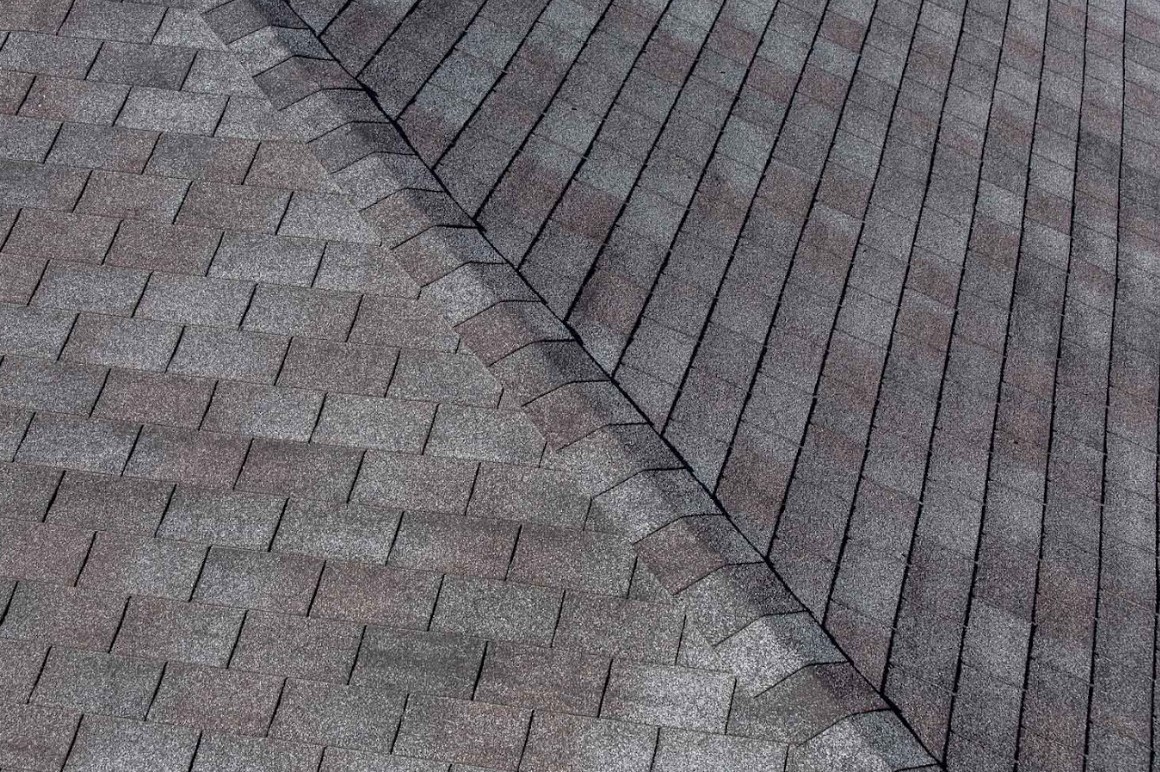
Ridge vents allow hot air to escape from the top of your roof, while soffit vents bring in cooler air from below. Together, they create a natural airflow system.
This balanced setup is one of the most effective ways to regulate attic temperature.
2. Clear Blocked or Obstructed Vents
Vents can become blocked by debris, insulation, or even bird nests. When airflow is restricted, heat and moisture build up quickly.
Regular inspections help ensure vents remain open and functional.
3. Add Powered or Solar Ventilation if Needed
In some homes, natural airflow is not enough. Powered attic fans or solar vents can help remove excess heat more efficiently.
These are especially useful in larger homes or areas with limited airflow.
4. Check and Balance Insulation
Too much insulation can block airflow, while too little allows heat transfer. The goal is balance.
Proper insulation works together with ventilation to maintain stable attic conditions.

5. Seal and Maintain Roof Penetrations
Areas around vents, pipes, and chimneys must be properly sealed. These spots are common entry points for moisture if not maintained.
Keeping these areas sealed protects both airflow and water resistance.
6. Schedule Regular Roof Inspections
As mentioned earlier, ventilation issues are not always visible. Routine inspections help catch problems early and keep your system working properly.
What Most Homeowners Don’t Realize About the Importance of Ventilation in Florida Roofs
Poor Ventilation Can Shorten Your Roof’s Lifespan
Excess heat can cause shingles to age faster. They may curl, crack, or lose their protective properties earlier than expected.
Over time, this can lead to premature roof replacement.
Moisture Damage Often Starts Where You Can’t See It
Trapped humidity affects insulation and wood structures inside your attic. By the time you notice signs inside your home, the damage may already be advanced.
Proper ventilation helps prevent this hidden damage from developing.
Energy Efficiency Is Directly Connected to Airflow
When your attic stays cooler, your air conditioner does not have to work as hard. This reduces energy use and lowers monthly costs.
Good ventilation supports both comfort and efficiency.
Building Codes and Standards Play a Role
Florida building codes often require specific ventilation ratios to provide proper airflow. Meeting these standards helps protect your home and ensures your roof performs as expected.
At My Florida Roofing Contractor, we follow these guidelines to deliver reliable, long-term results for homeowners.
A Cooler, Healthier Home Starts With Proper Roof Ventilation
When it comes to the importance of ventilation in Florida roofs, the solution is straightforward: create balanced airflow and maintain it over time.
- Allow hot air to escape: Use ridge or exhaust vents
- Bring fresh air in: Maintain soffit or intake vents
- Prevent moisture buildup: Keep airflow consistent
- Inspect regularly: Catch issues before they grow
- Upgrade when needed: Improve performance in older systems
With the right approach, your home stays cooler, your roof lasts longer, and your energy costs stay more manageable. A professional inspection can help you confirm what your home needs.
Importance of Ventilation in Florida Roofs FAQ
Why is ventilation in Florida roofs so critical?
The importance of ventilation in Florida roofs is critical because it helps remove heat and moisture from the attic, protecting roofing materials and improving indoor comfort.
How does ventilation affect energy bills?
The importance of ventilation in Florida roofs affects energy bills by reducing attic heat, which lowers the strain on your air conditioning system and improves efficiency.
Can poor ventilation impact the Florida roofs in the long-term?
Yes, poor airflow weakens the benefits tied to the importance of ventilation in Florida roofs, leading to faster roof wear, moisture damage, and higher repair costs.
What are the signs that ventilation is being ignored?
Signs include high attic temperatures, mold growth, musty odors, and rising energy bills, all indicating poor ventilation.
How do I improve ventilation in my Florida home?
To improve the importance of ventilation in Florida roofs, you should ensure proper intake and exhaust vents, clear blockages, and schedule a professional inspection.
Protect Your Comfort With a Properly Ventilated Roof
If your home feels hotter than it should or your energy bills keep climbing, your roof ventilation may be part of the problem. The importance of ventilation in Florida roofs becomes clear when you see how much it affects comfort, durability, and long-term costs.
At My Florida Roofing Contractor, we bring decades of experience, trusted certifications, and a clear process to every project. Our team focuses on honest assessments and solutions that fit your home’s needs.
If you want to improve comfort and protect your investment, schedule your free estimate today and let our local experts take a closer look at your roof.
Recent Articles
Residential Roofing
Same-As-Cash Roofing Deals in Brevard County: How to Save Big This Spring
Learn how same-as-cash roofing financing works in Brevard County. Explore zero-interest options, flexible plans, and how to afford your roof this spring.
March 26, 2026

Residential Roofing
Roof Maintenance Plan for Florida Seniors: Ensuring a Safe and Secure Home
As a Florida senior, maintaining your roof is crucial for a safe and secure home. Our comprehensive roof maintenance plan ensures your property is protected year-round.
March 24, 2026
Commercial Roofing
Flat Roofing in Titusville: Is TPO Still the Best Choice for Businesses
Explore TPO roofing pros and cons for Titusville businesses. Learn how it compares to other flat roofing systems and if it’s the right choice.
March 20, 2026

Residential Roofing
The Best Roof Type for Storms in Florida: Protecting Your Home
Discover the best roof type for storms in Florida. Compare metal, tile, and shingles to find the right option for wind, rain, and long-term protection.
March 17, 2026