
How Often Should a Roof Be Replaced in Florida's Harsh Environment?
December 8, 2025
•
Written By
My Florida Roofing Contractor
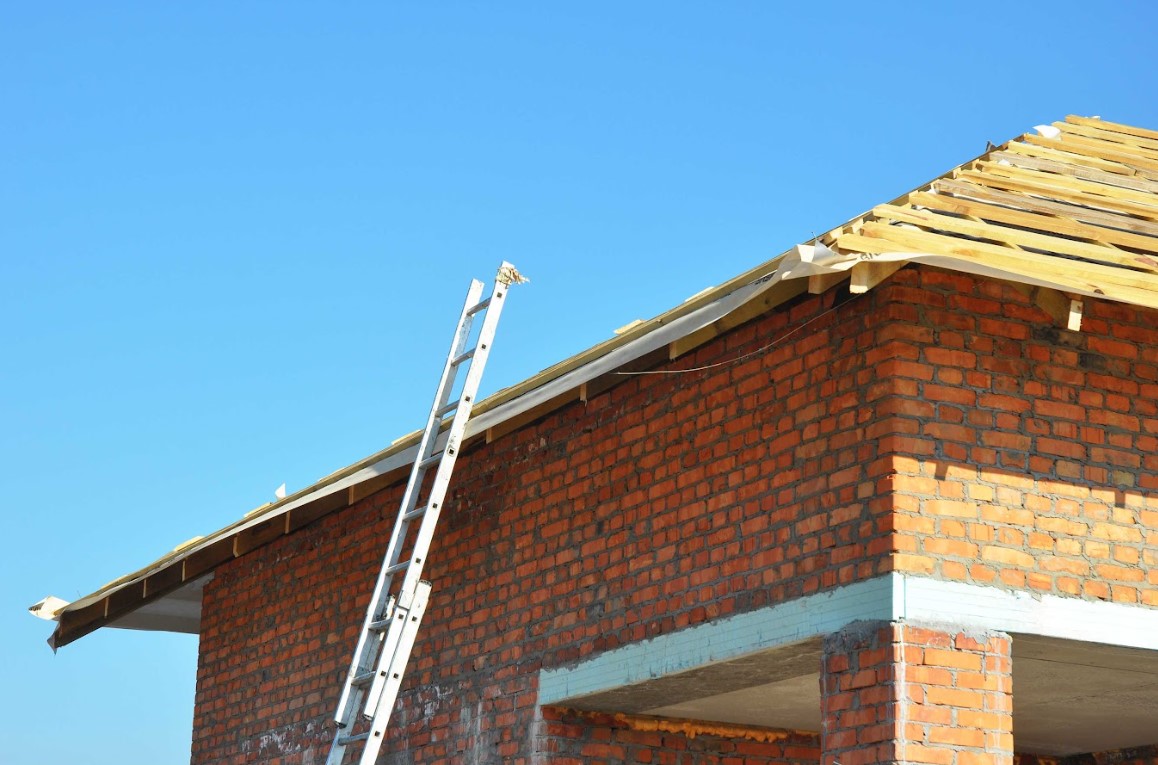
If you’ve lived in Florida long enough, you’ve seen those afternoons when the sky flips from sunshine to sideways rain in a matter of minutes. It is the same cycle your roof faces day after day: heat, humidity, salt air, and storms that wear it down faster than most folks expect. That’s why so many homeowners ask us: how often should a roof be replaced in Florida?
As your neighborhood roofer here in the Vero Beach area, we want you to feel confident about the answer, not stressed, not rushed, just clearly informed. In the guide below, we’ll walk you through what Florida homeowners should expect, what signs to watch for, and how to plan ahead so you always feel protected.
Key Takeaways
- Most Florida shingle roofs need replacement around 15–20 years, while metal and tile systems last longer when well cared for.
- Age isn’t everything; storm history, insurance rules, and installation quality matter just as much.
- A proactive replacement before hurricane season often saves money, reduces stress, and protects your home.
If you’re unsure where your roof stands today, My Florida Roofing Contractor is here to help you make the right call for your home and budget. You can request a free estimate any time.
How Often Should a Roof Be Replaced in Florida? A Clear Look at What’s Really Going On
When people ask how often should a roof be replaced in Florida, they’re usually looking for a simple number. The truth is, Florida weather doesn’t allow for simple answers. Between UV heat, heavy daily rain, and storm winds, roofs just age differently here than they do in other states.
In most cases, asphalt shingles give homeowners about 15–20 good years in our climate. Metal roofs commonly last 40 years or more, while tile roofs often reach 30–50 years when properly maintained. But these numbers don’t tell the whole story.
For many homes along the Treasure Coast, the bigger concern is storm performance. A roof that “looks fine” may still be brittle, poorly nailed by old standards, or weakened in ways you can’t see from the ground. That’s why age and condition matter equally when considering replacement, especially if you want to feel secure heading into hurricane season.
Our goal is simple: help you understand where your roof truly stands so you can protect your home with confidence.
How Often Should a Roof Be Replaced in Florida? What to Think About Before You Decide
Before you commit to repairs or replacement, it’s helpful to look at a few key areas through the eyes of a Florida homeowner. Here’s how to make an informed, comfortable choice.
Your Roof’s Age
Is it nearing the end of its Florida lifespan?
Shingle roofs usually last 15–20 years here. Tile and metal last longer, but they eventually need attention too, especially underlayments.
Visible Condition
What is your roof trying to tell you?
Curling shingles, cracked tiles, and recurring leaks are signs that your roof may be tired, even if it’s not “old” yet.
Storm and Repair History
Are you dealing with repeat issues?
If every big storm leaves you with new concerns, that’s your roof showing its limits.
Insurance & Code Requirements
Will your policy or local rules impact timing?
Many insurers tighten coverage on older roofs, and storm damage can trigger code-related upgrades that lead to full replacement.
Your Future Plans
How long do you want this roof to protect your home?
A roof nearing its final years might not be worth repeated repairs if you plan to stay in your home for the long term.
We’ll always walk through these points with you step by step. You deserve clarity, not pressure.
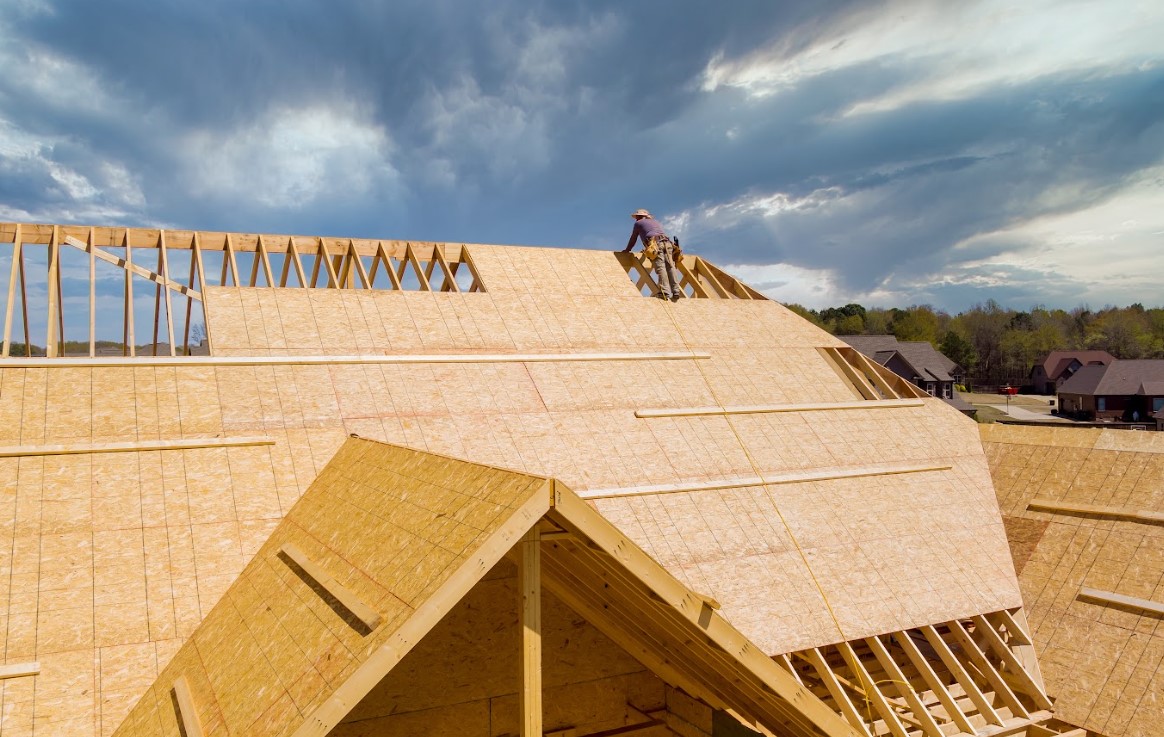
A Neighborly Guide to How Often Roofs Should Be Replaced in Florida
Age and Material: A Practical Florida Timeline
Most Florida shingle roofs need replacement around 15–20 years. Metal roofs can last 40–50 years, and tile roofs often go 30–50 years, depending on upkeep. Near the coast, salt air and stronger winds shorten these timelines.
When Repairs Are Still the Right Move
If your roof is fairly young and only has one or two isolated issues, a repair could be all you need for now. Small problems caught early can extend your roof’s life without straining your budget.
When Storms Tip the Scale Toward Replacement
Not all damage is obvious. Strong winds can loosen shingles or crack tiles long before leaks reach your ceiling. After major storms, older roofs, especially, can lose their ability to keep moisture out. When that happens, replacement becomes the safer and more cost-effective path.
Finding the Right Balance for Your Home
Some roofs just need monitoring. Others need a repair. Some families choose to replace early for peace of mind before storm season. Our role is to help you weigh all the options and decide what feels right for your home, not to rush you.
A Closer Look at How Florida Weather Shapes Roof Replacement Timing
Florida’s Climate Shortens the Lifespan of Every Material
In cooler states, shingles can last 25–30 years. Here, our sun breaks down protective granules faster, and humidity accelerates deterioration. That’s why homeowners who’ve moved from up north are often surprised by shorter timelines.
Wind Ratings & Building Codes Matter More Than You Think
Florida’s roofing codes have changed many times over the years. If your roof is older, it may not meet today’s wind-uplift requirements. That doesn’t mean it’s unsafe today, but it does mean you’ll want to consider upgrades before the next major storm.
Insurance Rules Can Affect When You Replace
Many insurers review roofs closely after they pass certain age thresholds. Keeping good records and choosing a durable, well-ventilated replacement system can make future renewals easier and more affordable.
Comfort, Energy Efficiency, and Peace of Mind
We see this often: homeowners replace an aging roof and immediately notice the home feels cooler and the energy bills drop. Modern materials are designed to reflect heat and improve ventilation, benefits you’ll feel every day.
In the end, understanding these details helps you plan a roof replacement on your terms, not in a moment of emergency.
Your Florida Roof Replacement Timeline Made Simple
You don’t need to memorize every technical detail to know when your roof is ready for an upgrade. Here’s a clear guide many Treasure Coast homeowners use:
- Replace shingle roofs around 15–20 years, especially if leaks or granule loss keep showing up.
- Reevaluate tile and metal roofs at 25–30 years to check underlayment and fasteners.
- Request a free estimate at least once a year to keep documentation for insurance.
- Discuss age thresholds and wind-mitigation discounts with your insurer.
- Whenever possible, schedule replacements outside of peak hurricane season.
And remember, your roof doesn’t have to fail for it to be the right time to replace. Sometimes, peace of mind is the best reason of all.
If you’d like help deciding what your roof needs right now, we’re here for you.
How Often Should a Roof Be Replaced in Florida FAQs
How often should a roof be replaced in Florida on average?
How often a roof should be replaced in Florida, on average, depends on the material, but most shingle roofs last about 15–20 years here. Metal and tile systems last longer but still need regular care because of our weather.
How often should a roof be replaced in Florida with asphalt shingles?
How often a roof should be replaced in Florida with asphalt shingles is usually in that 15–20 year range. UV heat and storms wear shingles faster here than in other states.
How often should a roof be replaced in Florida after a major storm?
How often a roof should be replaced in Florida after a major storm depends on the damage. If wind has affected a large section, replacement may be safer and more cost-effective than patching.
How often should a roof be replaced in Florida for insurance purposes?
How often a roof should be replaced in Florida for insurance purposes varies by policy, but many insurers review roofs closely after 10–15 years for shingles and after 20–25 years for tile or metal.
How often should a roof be replaced in Florida if I'm planning to sell my home?
How often a roof should be replaced in Florida, if I’m planning to sell my home, depends on its age and condition. A newer roof makes the home easier to insure and can increase buyer confidence.
Ready to Protect Your Home With Confidence?
Replacing your roof is more than a home improvement project; it’s a way to feel safe and secure through every season Florida sends our way. Understanding how often a roof should be replaced in Florida is the first step. The next step is choosing a roofer who treats your home like their own.
At My Florida Roofing Contractor, we bring two decades of local experience, strong Vero Beach roots, Owens Corning Platinum Preferred credentials, and a commitment to doing right by every family we serve. From helping with insurance paperwork to offering dependable warranties, we’re here to make the process smooth and transparent.
If your roof is showing its age, or you simply want peace of mind before the next storm, reach out today. Request your free estimate, and let’s make sure your home is protected for years to come.
Recent Articles
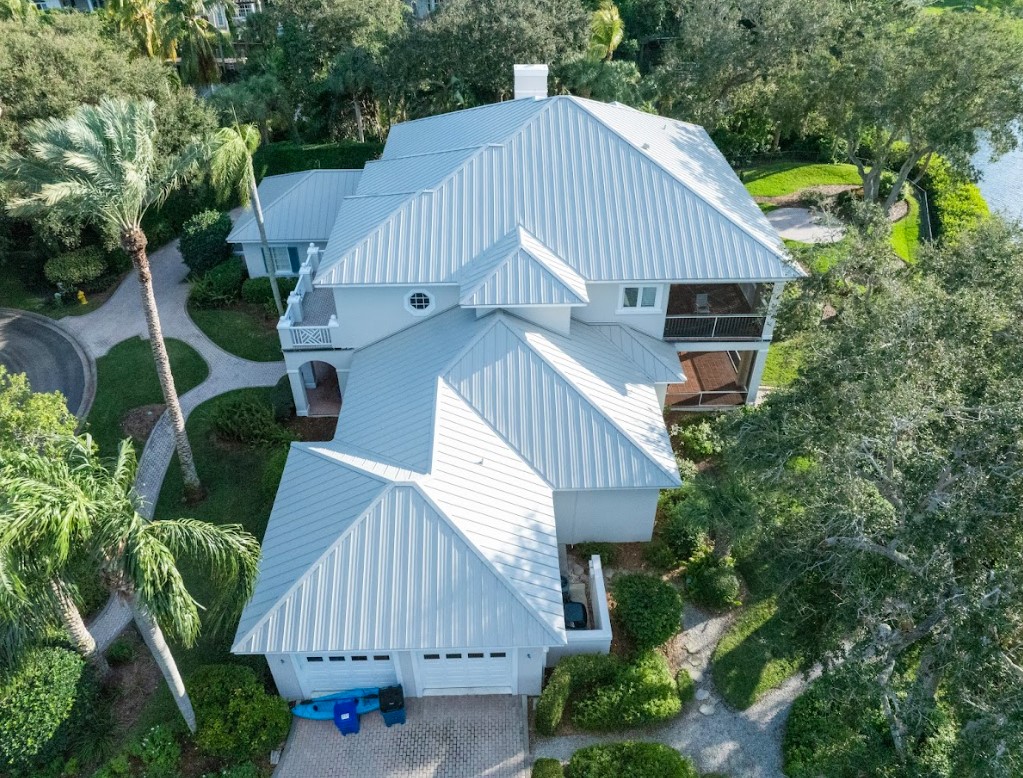
Residential Roofing
Same-As-Cash Roofing Deals in Brevard County: How to Save Big This Spring
Learn how same-as-cash roofing financing works in Brevard County. Explore zero-interest options, flexible plans, and how to afford your roof this spring.
March 26, 2026

Residential Roofing
Roof Maintenance Plan for Florida Seniors: Ensuring a Safe and Secure Home
As a Florida senior, maintaining your roof is crucial for a safe and secure home. Our comprehensive roof maintenance plan ensures your property is protected year-round.
March 24, 2026
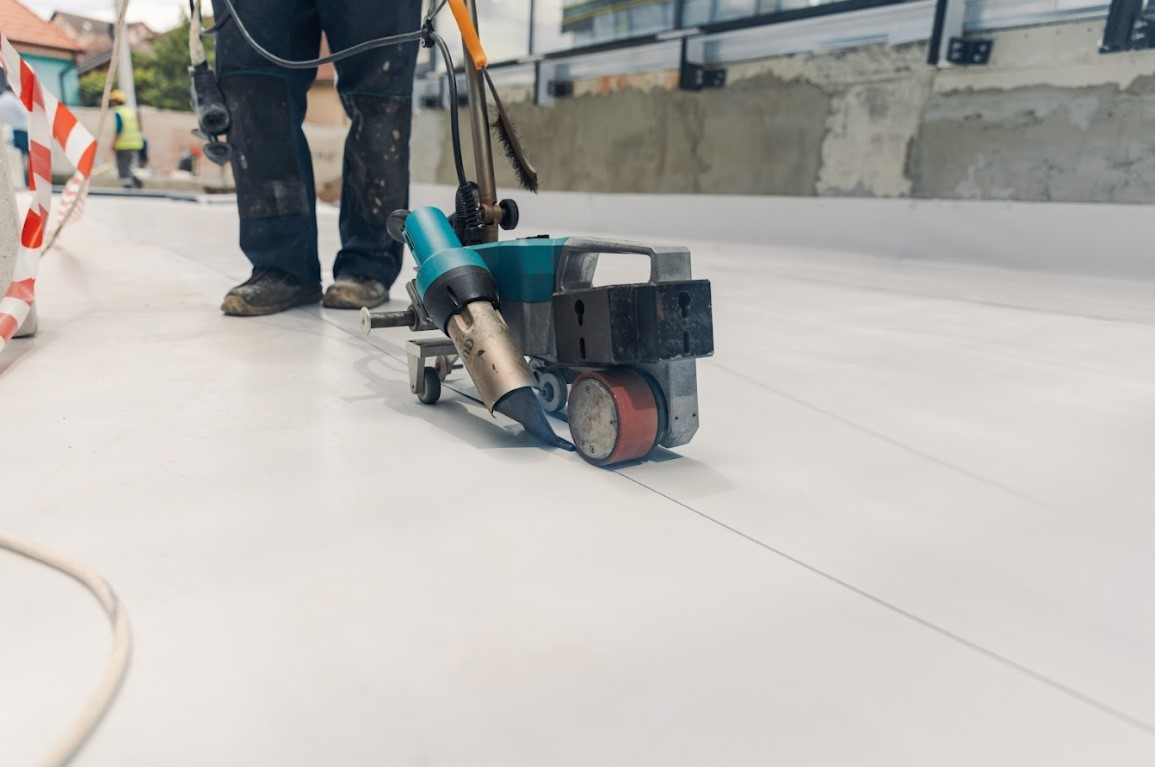
Commercial Roofing
Flat Roofing in Titusville: Is TPO Still the Best Choice for Businesses
Explore TPO roofing pros and cons for Titusville businesses. Learn how it compares to other flat roofing systems and if it’s the right choice.
March 20, 2026

Residential Roofing
The Best Roof Type for Storms in Florida: Protecting Your Home
Discover the best roof type for storms in Florida. Compare metal, tile, and shingles to find the right option for wind, rain, and long-term protection.
March 17, 2026